LASER TREATMENTS · NORTH ALABAMA
Laser Treatments in Decatur, Alabama
A guide to skin resurfacing, tattoo removal, facial blood vessels, and unwanted hair—with historical CO₂ resurfacing photos and questions to ask before treatment.
The right laser treatment depends on what you want to treat and how your skin responds to light and heat. Different devices target pigment, blood vessels, hair, or water in skin tissue. The wavelength, pulse duration, and treatment settings help determine what a device can safely accomplish. [2]
This guide is for people comparing laser treatments in Decatur, Alabama, and nearby Huntsville and Athens. Explore treatment options, recovery, costs, and questions to ask at a consultation, with historical CO₂ resurfacing photographs.
ON THIS PAGE
- Choosing the type of treatment
- Fractional CO₂ resurfacing
- Traditional CO₂ resurfacing
- Historical before-and-after photos
- Laser tattoo removal
- Facial vessels and redness
- Laser hair reduction
- Skin tone and candidacy
- Consultation and preparation
- Healing and time off
- Risks and safety
- Costs and insurance
- Choosing a local clinician
- Consultation checklist
- Common questions
Choosing the type of laser treatment
Start with a specific concern: fine wrinkles, acne scars, tattoo pigment, visible facial vessels, or unwanted hair. A consultation should establish the diagnosis and realistic goal before choosing a device. Ask which problem the recommended treatment is intended to improve and which concerns may remain.
Resurfacing, pigment, vessels, and hair
- Skin resurfacing: may improve facial lines, selected scars, and sun-damaged texture. CO₂ and erbium are examples of resurfacing lasers. [1][5]
- Tattoo treatment: uses light absorbed by ink to break pigment into smaller particles that the body can clear over time. [9]
- Vascular treatment: targets visible blood vessels; a clinician may recommend a vascular laser or an appropriate light-based device. [2]
- Hair reduction: targets pigment in hair to damage follicles and slow future growth. Hair color and skin color affect the plan. [12]
IPL is not a laser. Intense pulsed light devices are another type of light treatment used for selected vascular and pigment concerns. Ask whether the proposed device is a laser or IPL and why it fits your condition; the names are not interchangeable. [2]
A device’s brand name is only part of the discussion. Ask about the area to be treated, the expected number of sessions, likely downtime, and the clinician’s experience with your skin tone. Avoid choosing a treatment solely because a package is discounted.
Fractional CO₂ laser skin resurfacing
“Fractional” describes a pattern of small treatment zones with intervening skin left untreated. Fractional CO₂ is an ablative treatment: it creates microscopic columns of tissue injury rather than treating the entire surface uniformly. Fractional devices also exist that are nonablative, so the word alone does not describe every part of the procedure. [3]
The healing response can stimulate collagen remodeling and improve texture, lines, and selected scars. Treatment depth, coverage, settings, and the area treated affect the response and recovery. [3]
Ask what improvement is realistic after one session and whether a series is expected. Less surface coverage does not make every fractional treatment mild. Your clinician should explain the proposed intensity and the care the treated skin will need.
Melasma and a history of dark marks after inflammation deserve special attention. Fractional treatment can itself cause post-inflammatory pigmentation. Do not assume that every brown patch should be treated with the same laser plan. [3]
Traditional CO₂ laser resurfacing
Traditional, nonfractional ablative CO₂ resurfacing treats a continuous area of skin. The laser removes outer skin layers and heats deeper tissue, encouraging new collagen as the area heals. It may improve lines and texture, but involves a wound-care period and risks that need a careful consultation. [1]
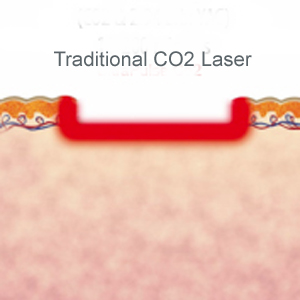
Resurfacing cannot be assumed to correct substantial loose skin or every deep wrinkle. If your concern is excess eyelid skin or a low brow, for example, ask whether eyelid surgery or a brow lift addresses the problem more directly. [7]
Historical CO₂ resurfacing before-and-after photos
The two available comparisons below were labeled as traditional CO₂ resurfacing on the original website. They should not be used to represent fractional CO₂, tattoo removal, vascular treatment, or hair removal. The original page described resurfacing follow-up photographs as taken at one year or more; exact individual dates are not supplied here.
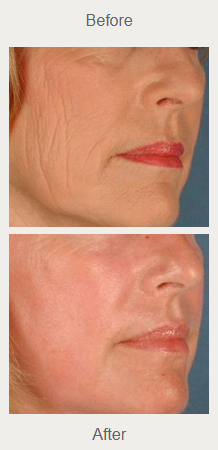
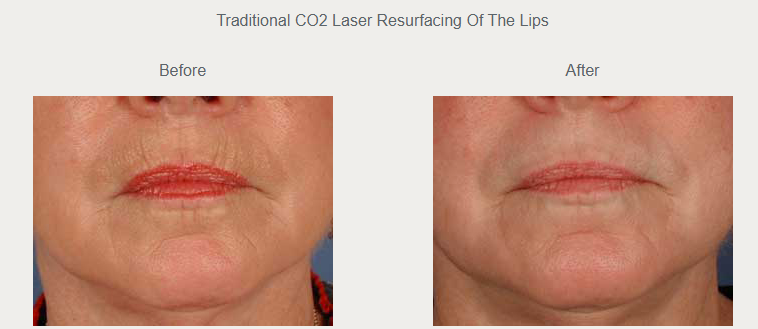
These photographs show individual historical cases, not promised or typical results. Lighting, expression, skin characteristics, and treatment details can affect a comparison. Ask a prospective clinician for examples using the proposed procedure in patients with similar concerns and skin tone.
Laser tattoo removal
Laser energy breaks tattoo ink into smaller particles, which the immune system clears gradually. Different pigments absorb different wavelengths, so a multicolored tattoo may require more than one laser. Complete clearance is not always possible. [9]
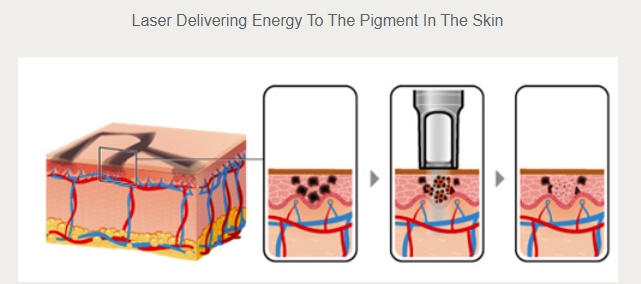
Modern devices can treat colors that were once difficult, although color, ink depth, location, skin tone, and the device still influence results. A single laser is not equally effective for every tattoo. [10]
Expect multiple visits with healing time between them. The laser cannot safely clear every layer of ink at once, and your body needs time to remove the fragmented pigment. Ask for an estimate rather than a guaranteed session count or a promise that every trace will disappear. [10]
Tell the clinician about permanent makeup, flesh-colored ink, and white ink. Some cosmetic pigments can darken after laser exposure. Ask whether a test spot is appropriate and what the plan would be if a color changes unexpectedly. [9]
Do not try tattoo-removal creams, acids, or home removal kits. The FDA has not approved tattoo-removal ointments or creams and says these products can cause burns, rashes, or scars. [9]
Facial blood vessels, redness, and rosacea
Small visible vessels around the nose or cheeks may respond to vascular laser or light treatment. Persistent facial redness should first be assessed to determine whether rosacea or another condition is involved. For rosacea, laser or light treatment is often one part of a plan that also includes skin care or medicines. [11]
The AAD reports that visible vessels can improve after a short series of treatments, but diffuse redness responds less predictably. Treated vessels may clear while new vessels form later. Ask whether the main goal is removing individual vessels, reducing background redness, or treating thickened skin. [11]
Some vascular treatments cause noticeable purple bruising for one to two weeks. Discuss whether that is expected with the particular device and settings and plan important events accordingly. [2]
Laser hair removal and long-term hair reduction
Hair-removal lasers work best when the hair contains pigment that absorbs the light. Dark hair generally responds better than blonde, white, gray, or red hair. People with darker skin can be treated, but the choice of device and settings is especially important. [12]
Treatments are usually performed as a series because results vary with the hair, area, and growth cycle. The AAD notes that many patients remain hair-free for months or years after a course, but regrowth and maintenance treatments are possible. Ask for realistic long-term reduction rather than a promise that no hair will ever return. [13]
Preparation often includes avoiding waxing, plucking, or electrolysis for a period before treatment and shaving as directed. Do not apply a hair-removal laser over tattooed skin. Treatment near the eyelids or eyebrows carries a risk of serious eye injury and is not recommended for those areas. [12]
Tell the clinician about hormonal changes, medicines, previous treatments, and whether the hair pattern is new. Ask whether a medical assessment of the hair growth should come before a cosmetic treatment plan.
Skin tone, scars, and candidacy
Darker skin has a greater risk of some pigment changes after resurfacing. That does not mean every laser treatment is unsuitable, but experience with the intended procedure and your skin tone matters. Ask how the plan reduces the chance of burns or lasting light or dark marks. [7]
For hair removal, an experienced clinician can select a laser and settings suited to darker skin. A treatment plan should account for the pigment in both skin and hair rather than relying on a standard setting for everyone. [12]
Have a new, changing, or otherwise suspicious pigmented spot medically assessed before cosmetic treatment. Some lesions need a biopsy to exclude cancer before a laser is considered. [2]
Scar treatment may make a scar less noticeable or improve symptoms, but it does not erase the scar. Multiple treatments or a combination of approaches may be appropriate, and improvement can take months. [8]
Consultation and preparation
Bring a complete list of prescriptions, over-the-counter medicines, supplements, and skin products. Mention isotretinoin use, recent tanning, a tendency to form keloids, and any cold-sore history. Ask about the clinician’s experience treating people with your skin coloring. [14]
Tell the clinician about diabetes, smoking, and other factors that may affect healing. Before laser scar treatment, a medical consultation should address your skin, the scar, overall health, and expectations. [8]
Get written instructions about sun exposure, retinoids, exfoliating products, and medicines. Do not stop a prescribed medicine on your own. Any change to blood thinners or other ongoing treatment should be coordinated with the prescriber.
Avoid tanning and sunless tanning products before hair-removal treatments, and follow the clinician’s sun-protection instructions. The AAD recommends a broad-spectrum, water-resistant sunscreen with SPF 30 or higher for that preparation. [14]
Resurfacing may involve topical or injected numbing medicine, sedation, or, for extensive treatment, general anesthesia. Ask what is planned, how long the visit will take, and whether you need someone to drive you home or help afterward. [5]
Everyone in a hair-removal laser treatment room should wear protective eyewear. Ask how your eyes will be protected during any facial laser procedure and keep the protection in place as instructed. [13]
Healing, aftercare, and time off
After resurfacing
Recovery depends on the laser, depth, coverage, body area, and your healing response. Cleveland Clinic describes skin healing over roughly five to twenty-one days across resurfacing treatments. Pinkness can last much longer. Ask for a recovery estimate specific to your treatment. [4]
ASPS describes recovery from CO₂ resurfacing as generally up to two weeks, with redness potentially lasting months. Ask separately when the skin will close, when makeup is allowed, and when you are likely to feel comfortable returning to work or social events. [6]
Follow the treating clinician’s cleaning and dressing instructions. Do not pick at crusts or peel the skin. Use only the recommended products during healing, and ask when sunscreen, makeup, retinoids, and acids can safely be resumed. [6]
After hair, tattoo, or vascular treatments
Hair removal usually allows a quick return to daily activities, although redness, swelling, or discomfort may last one to three days. Follow the aftercare instructions and protect the treated skin from sunlight. [13]
Tattoo treatment may cause redness, swelling, or blistering. Follow the wound-care plan between sessions and protect the site from sunlight while it heals. Do not shorten the interval between visits on your own. [10]
Facial vascular treatments can leave redness or purple spots for one to two weeks. Ask about makeup and work plans, and follow sun-protection advice to reduce complications. [11]
Before leaving, get a contact number and instructions for unexpected symptoms. Ask how to distinguish normal healing from a problem and who can examine you if the usual clinician is unavailable.
Risks and safety
Laser procedures can cause pain, infection, bleeding, scars, pigment changes, or incomplete improvement. Device choice and operator skill matter, but no clinician can promise a risk-free treatment. [15]
Resurfacing can reactivate cold sores, particularly around the mouth. Tell the clinician if you have had them and ask whether preventive antiviral medicine is appropriate. Other possible problems include prolonged redness, acne flares, and light or dark areas of skin. [6]
Seek advice promptly for worsening pain, spreading redness, pus, fever, unexpected blistering, or healing that is deteriorating rather than improving. Eye pain or any change in vision after treatment needs urgent medical assessment. Ask your clinician for specific warning signs and an after-hours contact.
FDA clearance of a device does not replace a consultation about whether it suits your skin and concern. For tattoo removal, the FDA emphasizes the need for the correct laser, knowledge of tissue reactions, and appropriate care after treatment. [9]
Laser treatment costs and insurance
Request a written estimate for your exact treatment area and proposed course. Ask whether the price is per visit, per area, or for a series, and whether consultation, numbing medicine, dressings, follow-up, and additional sessions are included.
For resurfacing, ASPS notes that the laser type, treatment time, provider experience, and location affect cost. Cosmetic resurfacing is generally not covered by insurance. National averages are not a quote from a Decatur clinician. [16]
Ask the insurer about any treatment proposed for a medical condition rather than assuming that a diagnosis guarantees coverage. Confirm authorization requirements and out-of-pocket costs before agreeing to a package. A financing offer does not establish that the procedure is appropriate for you.
Choosing a laser clinician near Decatur
Look for experience with the specific concern, device, body area, and skin tone involved. Ask who performs the procedure, who selects the settings, who supervises, and who will manage a burn or other complication. A consultation should cover alternatives as well as the proposed laser.
Check the physician’s license and public actions through the Alabama Board of Medical Examiners. Specialty credentials should be verified separately. [17]
For a plastic surgeon, use the American Board of Plastic Surgery’s verification tool. Board certification is one credential to check alongside relevant laser experience. [18]
When comparing options in Decatur, Huntsville, or Athens, ask for photographs of the same procedure in patients with similar skin characteristics. Confirm the follow-up arrangements and how you would obtain care if a problem arose between visits.
Common questions
Does fractional mean there is no downtime?
No. Fractional describes the treatment pattern. Ask whether the device is ablative, how intensively the area will be treated, and what recovery is expected for your particular plan.
Will laser resurfacing replace a facelift or injectable treatment?
Different treatments address different concerns. Discuss skin texture, loose skin, facial movement, and volume separately. Our Botox and Juvéderm guide explains injectable options; the consultation should establish which approach fits your goal.
How long do resurfacing results last?
Improvement can last for years, but normal aging continues and new wrinkles can develop. Sun protection and skin care remain part of the plan. Ask whether maintenance treatment is likely for your concern. [4]
Can laser treatment remove every tattoo completely?
No result should be guaranteed in advance. Ask whether the realistic goal is full clearance or lightening, which colors may remain, and what the next step would be if treatment stops producing useful improvement.
Are these before-and-after photos examples of fractional CO₂?
No. The original page identified the supplied patient comparisons as traditional CO₂ resurfacing. They are preserved as historical examples of that treatment, with their original before-and-after labels.
Sources and further reading
Resources checked September 22, 2026. This guide updates the supplied historical laser-treatment article and preserves its available images. The former practice’s equipment, experience, and service availability are not current service claims. This page has not been reviewed by a clinician on behalf of this website.
- American Society of Plastic Surgeons. Laser skin resurfacing.
- DermNet. Lasers in dermatology.
- DermNet. Fractional laser treatment.
- Cleveland Clinic. Laser skin resurfacing: types, conditions, and what to expect.
- American Society of Plastic Surgeons. Laser skin resurfacing procedure steps.
- American Society of Plastic Surgeons. Laser skin resurfacing recovery.
- American Society of Plastic Surgeons. Laser skin resurfacing candidates.
- American Academy of Dermatology. 10 things to know before having laser treatment for your scar.
- U.S. Food and Drug Administration. Tattoo removal: options and results.
- American Academy of Dermatology. Tattoo removal: lasers outshine other methods.
- American Academy of Dermatology. Lasers and lights: how well do they treat rosacea?.
- Mayo Clinic. Laser hair removal.
- American Academy of Dermatology. Laser hair removal: FAQs.
- American Academy of Dermatology. Laser hair removal: preparation.
- U.S. Food and Drug Administration. Medical lasers.
- American Society of Plastic Surgeons. Laser skin resurfacing cost.
- Alabama Board of Medical Examiners and Medical Licensure Commission. Licensee search.
- American Board of Plastic Surgery. Verify certification.